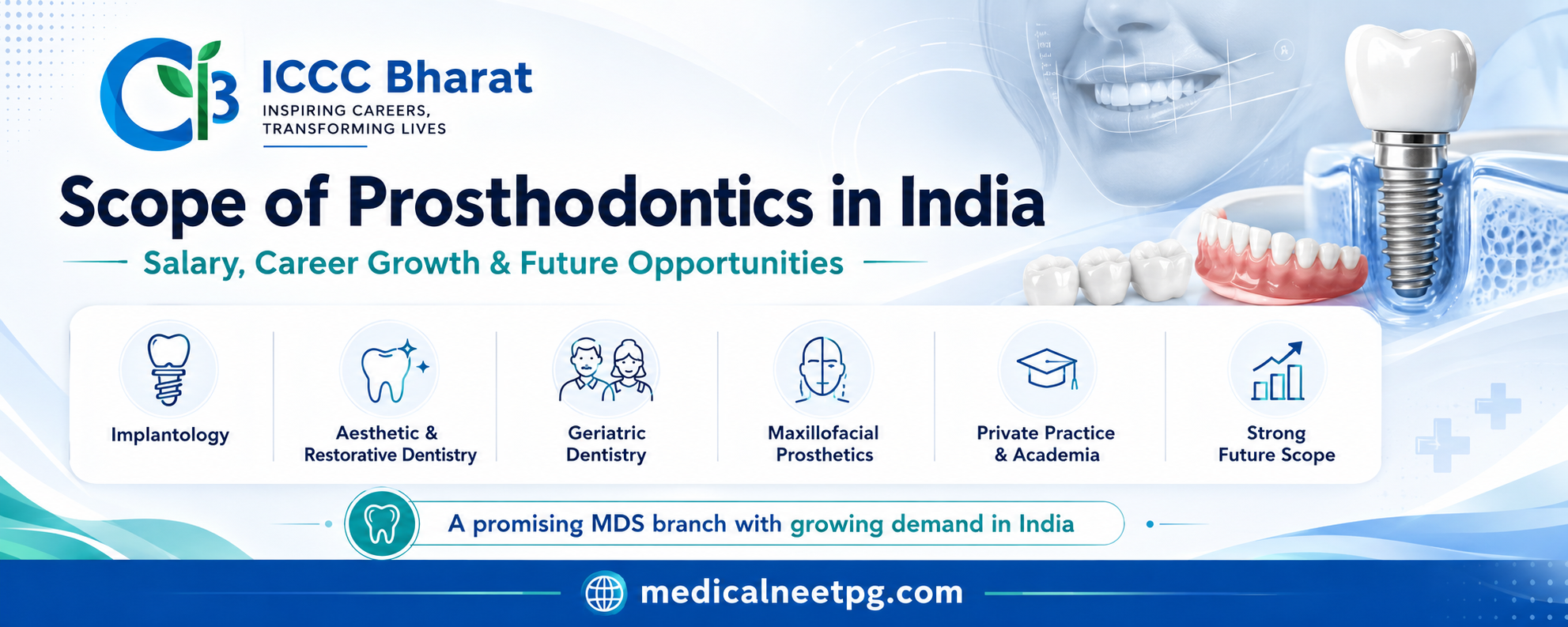
The field of prosthodontics in India is undergoing a massive transformation. Driven by an aging population, a booming dental tourism industry, and a surge in aesthetic awareness, the demand for specialized restorative, cosmetic, and implant-based procedures has never been higher. With over 70% of the Indian population affected by oral diseases, prosthodontists play a critical role in complex full-mouth rehabilitation, functional restoration, and smile design.
Key Areas of Clinical Practice
Modern prosthodontics extends far beyond conventional dentures. Today, the specialty is divided into several highly lucrative and impactful sub-branches:
- Implantology: The shift toward dental implants is one of the fastest-growing segments. Prosthodontists are uniquely qualified to manage both the complex surgical placement and the intricate prosthetic components of implant-supported restorations.
- Aesthetic & Restorative Dentistry: Rising consumer consciousness regarding facial aesthetics has driven a massive demand for cosmetic procedures, including digital smile designing, ceramic veneers, and full-mouth rehabilitations.
- Geriatric Dentistry: As India’s senior population grows, complex removable and fixed prosthetics—such as implant-supported overdentures—remain a foundational staple of the discipline.
- Maxillofacial Prosthetics: A critical and deeply rewarding sub-branch. Due to rising cancer rates and trauma cases, specialists are increasingly needed to fabricate customized intraoral and extraoral prostheses (e.g., obturators, ocular, and auricular prostheses) to rehabilitate oncology and trauma patients.
Career Pathways & Financial Outlook
Prosthodontists in India have diverse career avenues, spanning private practice, academia, and advanced dental corporate structures.
1. Salary by Experience Level
An entry-level practitioner can expect steady initial growth, which scales exponentially as they establish a reputation and clinical mastery.
| Career Level | Experience | Average Annual Salary (₹) | Key Highlights |
| Entry-Level | Up to 3 years | 3.6 lakh – 5.4 lakh | Salaries are typically higher in metro cities. |
| Mid-Level | 3-7 years | 6 lakh – 9 lakh | Increased expertise and management of complex cases. |
| Senior Prosthodontists | 7+ years | 24 lakh – 36 lakh | Established professionals with private practices earn significantly more. |
2. Salary Based on Geographic Location
Geographic location heavily influences earning opportunities, with tier-1 metro cities leading the market, though offset by a higher cost of living.
- Delhi: ₹12 lakh – ₹18 lakh
- Mumbai: ₹5 lakh – ₹18 lakh
- Bangalore: ₹6 lakh – ₹16 lakh
- Hyderabad: ₹4 lakh – ₹12 lakh
- Chennai: ₹4 lakh – ₹12 lakh
- Kolkata: ₹4 lakh – ₹10 lakh
3. Salary by Sub-specialization
Choosing a specialized niche greatly enhances a prosthodontist’s marketability and earning potential:
- Implantology: ₹8 lakh – ₹24 lakh (Focus on dental implants and full-arch fixed solutions)
- Maxillofacial Prosthetics: ₹3.3 lakh – ₹9.9 lakh (Designing facial prostheses for trauma/congenital conditions)
- Aesthetic Dentistry: ₹4.1 lakh – ₹5.2 lakh (Specializing in veneers, crowns, and smile makeovers)
Strategies for Career Growth and Revenue Expansion
Globally, the demand for prosthodontists is expected to increase by 16% by 2026. To capture this growth, Indian specialists are diversifying their income streams and modernizing their practices through several strategies:
- Expanding Services with Digital Dentistry: Integrating advanced workflows like digital impressions, 3D printing, and CAD/CAM technology allows for unparalleled treatment precision and faster turnaround times, attracting premium clients.
- Establishing a Private Practice: Building a well-equipped specialized clinic creates a direct channel for high-paying clients, establishing consumer trust and patient retention. Given the low number of registered prosthodontists relative to the population, specialists are highly sought after for referrals by general dentists.
- Consultancy Roles: Freelancing or consulting across multiple multi-specialty clinics or corporate hospitals allows prosthodontists to optimize income streams without the overhead costs of running a full clinic.
- Advanced Training & Sub-specialization: While basic care is taught during BDS and standard MDS programs, advanced fellowship programs are highly valued. For instance, specialized fellowships in maxillofacial prosthetic rehabilitation are available at premier institutions like the Tata Memorial Hospital in Mumbai and Healthcare Global Enterprises Ltd (HCG) in Bengaluru. For formal dental education and fellowship requirements, clinicians refer to guidelines issued by the Dental Council of India.
- International Exposure: Attending global conferences, getting international certifications, or participating in dental tourism networks opens avenues for international patient referrals.
Growing Practice, Growing Risks
⚠️ Clinical Note on Risk Management
While prosthodontists take care of a patient’s smile, they routinely perform complex, irreversible, and highly invasive procedures. Clinical outcomes are multifactorial, and results may not be exceptional every single time. With an expanding patient base, the likelihood of treatment complications, dissatisfied patients, or malpractice liability claims increases.
These risks can carry devastating financial and reputational consequences if left unmanaged. Consequently, securing a comprehensive Medical Indemnity Insurance policy is crucial for protecting a growing practice. This insurance safeguards clinicians against the legal and financial costs of malpractice suits, compensation demands, or alleged treatment failures, allowing prosthodontists to deliver high-quality care without the constant anxiety of legal complications.